
Late-Summer AC Strain: Signs Your System Is Working Too Hard
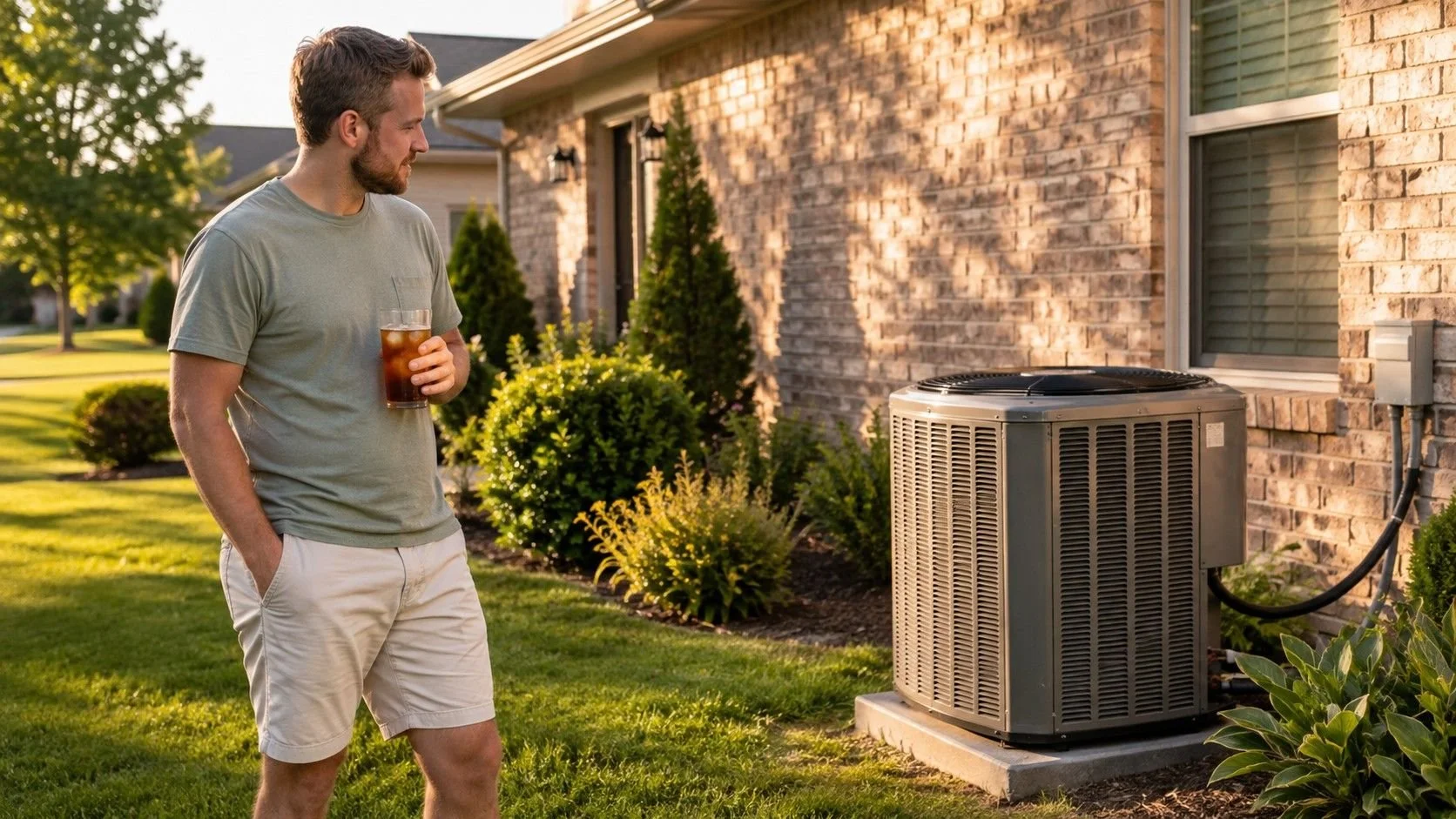
By the time late summer rolls around, your air conditioner has already logged hundreds of hours keeping your home cool against peak humidity and heat.
That continuous workload takes a toll. Even if the system is still blowing cold air, subtle signs often indicate it is straining under the late-season heat. Catching these warning signs early can keep a small component issue from turning into a late-summer breakdown.
Here’s how to know if your air conditioner is working too hard.
Long, Unbroken Cooling Cycles
During the hottest part of the day, it is normal for your AC to run longer to reach your set temperature. However, if the system runs constantly without taking a break, or if it struggles to reach the set point even as evening temperatures drop, it is working under excessive strain.
This continuous running often points to reduced air flow, dirty coils, or low refrigerant levels. When those components are restricted, the compressor must work twice as hard to remove heat from your home.
Warm or Weak Airflow from the Vents
If the air coming out of your supply vents feels warm or the airflow feels noticeably weaker than usual, the system is struggling to circulate conditioned air.
Common culprits include:
· A clogged air filter blocking airflow through the system.
· Frosted or frozen evaporator coils caused by restricted airflow or low refrigerant.
· Duct leakage or loose connections letting conditioned air escape before it reaches your living spaces.
When airflow is restricted, internal components heat up, forcing the blower motor and compressor to operate under far more stress than intended.
Unusual Noises During Operation
Air conditioners are rarely silent, but you are likely familiar with the standard humming and blowing sounds your system makes. New, unfamiliar noises usually signal mechanical strain:
· Squealing or Grinding: Often indicates a failing fan belt or bearings in the blower motor that are losing lubrication.
· Banging or Clanking: Suggests a loose or detached internal component, such as a connecting rod or piston inside the compressor.
· Clicking at Startup: Can point to an electrical issue, like a struggling capacitor trying to start the motor.
Ignoring these sounds gives a minor mechanical issue time to turn into major component damage.
Short-Cycling (Turning On and Off Frequently)
On the opposite end of continuous running is short-cycling. This happens when your AC turns on, runs for just a few minutes, turns off, and then starts up again shortly after.
Short-cycling prevents your home from cooling evenly and places immense stress on the compressor’s start capacitor and electrical components. It is commonly caused by an overheating compressor, faulty thermostat sensors, or severely restricted airflow.
Unexpected Spikes in Your Energy Bill
It is normal for utility costs to rise during peak summer months. However, if your energy bill surges unexpectedly compared to the same period last year, without a sudden change in your habits, your system is likely consuming extra power to compensate for reduced efficiency.
An AC unit forcing itself to work through clogged filters or worn parts draws significantly more electricity to produce the same cooling output.
Protecting Your AC Through the Rest of the Season
If you notice any of these signs, start with a few simple checks:
· Change the air filter: A fresh filter is the easiest way to restore proper airflow and relieve system strain.
· Clear around the outdoor unit: Ensure grass, leaves, and debris are at least two feet away from the condenser cabinet so heat can exhaust properly.
· Check supply and return vents: Make sure furniture, drapes, or rugs are not blocking airflow inside the home.
If those basic steps do not resolve the issue, having a qualified technician from Standard Air Conditioning inspect the system can prevent an untimely system failure and keep your home comfortable through the end of the season. Just give us a call and we will be happy to schedule an appointment with you.